Why Do My Feet Go Numb When I Walk?
You’re halfway through your daily walk when your toes start tingling. Soon, the balls of your feet feel as though they’re falling asleep. Why do my feet go numb when I walk?
Availability will vary depending on your request. Your appointment will be confirmed by phone by a member of our staff.

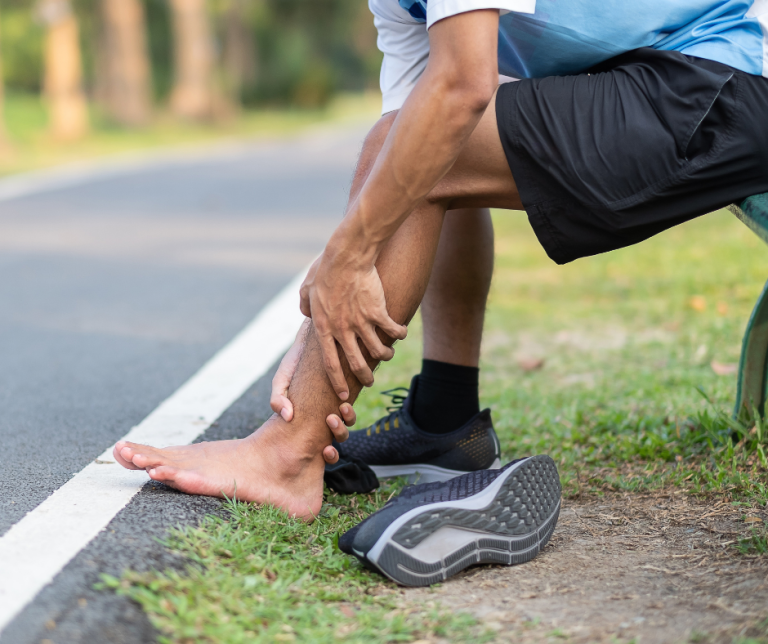
You’re halfway through your daily walk when your toes start tingling. Soon, the balls of your feet feel as though they’re falling asleep. Why do my feet go numb when I walk?
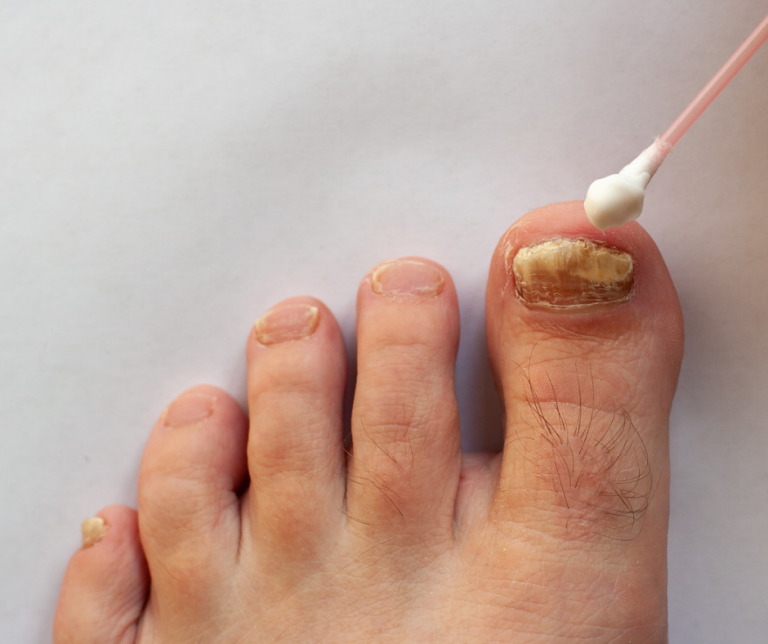
If you are hiding your feet inside closed-toe shoes year-round because of thickened, yellow, or brittle nails, you are not alone. Toenail fungus, clinically known as onychomycosis, is an incredibly common condition, but it is also one of the most frustrating and stubborn infections to cure.

As cooler fall weather arrives in Georgia, local running clubs hit the pavement, and rucking enthusiasts head to the trails. Unfortunately, the sudden increase in mileage often brings stubborn overuse injuries. Many active adults assume a heel or ankle injury means spending six weeks on the couch. But it doesn’t need to be that way!

If you’re deep in marathon prep, a lingering foot ache brings instant anxiety. Most runners try to push through heel throbs or Achilles tightness for one simple reason: fear. You worry a doctor will tell you to stop running—or worse, that you need surgery.

If you spend any time on wellness social media, you have probably seen the massive rise of “frequency healing” and sound baths. Influencers are racking up millions of views using tuning forks and acoustic bowls, claiming that specific sound waves can optimize cellular health and biohack your body’s recovery.

You step off a curb in downtown Savannah or pivot awkwardly during a weekend tennis match in Pooler, and your ankle completely rolls outward. You hear a soft pop, feel a rush of pain, and briefly sit on the ground. But after ten minutes, the sharp pain fades to a dull ache. You stand up, limp to your car, and assume you can simply “walk it off” with some ice and rest.

Memorial Day is right around the corner, which means it is officially time to pull your favorite sandals out of the back of the closet. But if you spent the winter ignoring a thick, yellow, or crumbling toenail, the transition to summer footwear can cause instant panic.

You followed the instructions. You did physical therapy. You wore the boot. Yet, months after your foot or ankle surgery, you’re still reaching for the ice pack or the pain meds. When you visit your surgeon, they look at the X-ray and say: “The hardware looks perfect, and the bone has fused beautifully.”

As the weather warms and the days grow longer, many people look forward to getting back outside and enjoying spring sports. Whether it’s running, soccer, tennis, baseball, or weekend pickup games, spring is the season when activity levels increase after months of colder weather. While returning to sports is great for overall health, it can also place sudden stress on the feet and ankles if your body isn’t fully prepared.

While kids are resilient, their feet are still under construction. Ignoring subtle signs of structural issues now can lead to chronic pain in their teenage and adult years. At Atlantic Foot & Ankle Specialists, we believe early intervention is the key to a lifetime of healthy mobility. Use this checklist to determine if your child needs a professional evaluation.
End of content
End of content
Mon
Tue
Wed
Thu
Fri
8:00am – 5:00pm
8:00am – 5:00pm
8:00am – 5:00pm
8:00am – 5:00pm
7:00am – 2:00pm

114 Canal St., Suite 703
Pooler, GA 31322
© 2024 Atlantic Feet
Powered by Blue Orchid Marketing

